
Antiques
collectibles and antiques trade
Antiquarianism is the pursuit, collection, and trade of ancient objects (furniture, paintings, sculptures, books, decorative arts) recognized for their historical, artistic, or artisanal value. These are generally pieces that are at least one hundred years old and prized for their authenticity, rarity, and state of preservation.
To be considered an antique, an object must belong to a bygone era, generally at least one hundred years old, and be desirable for its unique characteristics. Authenticity, rarity, and state of preservation are especially important.
The most sought-after objects
Paintings and sculptures by old masters, particularly from the Classical and Renaissance periods.
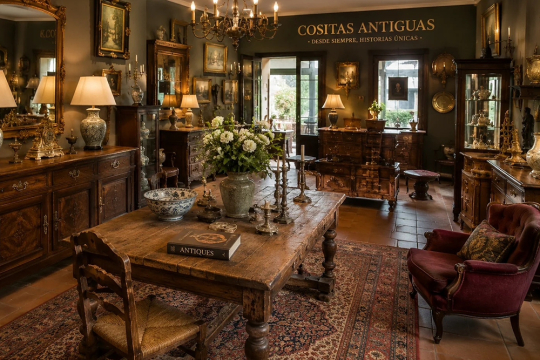
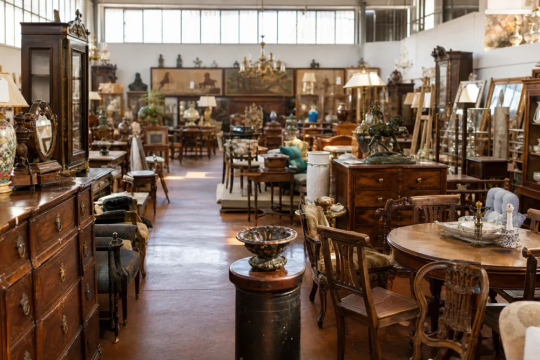
Period furniture, especially pre-industrial artisanal pieces, for their high-quality materials and finishes.
Antique books and manuscripts, such as Greek and Latin codices or first editions of historical and literary works.
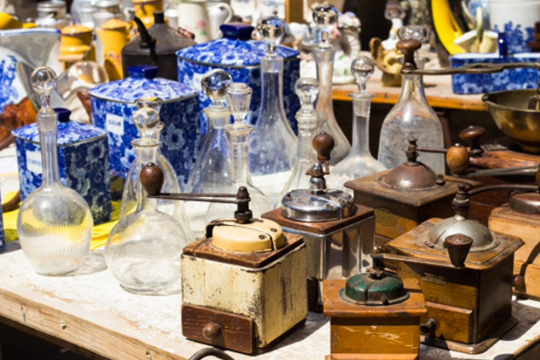
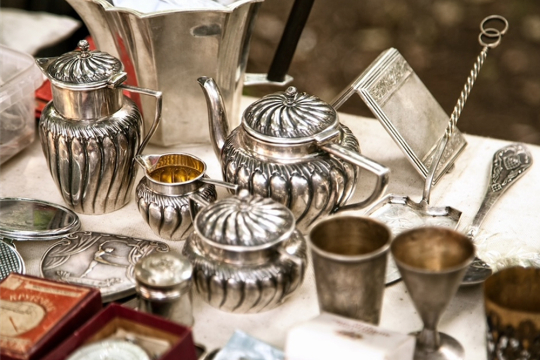
Decorative arts: porcelain, silver, crystal, clocks, lamps, and furnishings.
Archaeological and ecclesiastical artifacts, which tell the story of distant eras. In Italy, their trade is regulated by very strict regulations.
These objects are prized for their beauty, artistic value, and historical appeal. Their economic value depends on their rarity, state of preservation, provenance, and, above all, authenticity, certified by expert appraisals.
Origins and History
The collecting of antiquities has ancient roots. In ancient Rome, after the conquests of Greece between the 3rd and 2nd centuries BC, wealthy families purchased Greek works of art at high prices. Due to the rarity of originals, the practice of making copies also spread, which has helped preserve many lost masterpieces.
In the Middle Ages, attention focused on texts: Greek and Latin manuscripts were copied and preserved by copyist monks. With the Renaissance, the collecting of codices, coins, sculptures, and archaeological finds revived, and the first princely collections and studioli were established.
In the 18th century, with the Grand Tour and the first major archaeological discoveries (Herculaneum and Pompeii), interest in antiquities grew, and the figure of the modern antique dealer emerged, acting as a mediator between collectors and artworks. In the 19th century, the wealthy bourgeoisie fueled the market, which was organized around galleries and auction houses.
Antiques today attracts collectors, investors, architects, interior designers, and history enthusiasts. It's not just a commercial activity: it's a way of preserving historical and cultural memory through objects that have spanned the centuries, giving homes and museums a tangible link to the past.
Antiques and Modern Antiques
Modern antiques is a distinct but related category: here too, objects of historical and artistic value, but from more recent periods, are sought, collected, and exchanged. It concerns furnishings and objects from the 20th century, particularly from the post-World War II period to the 1980s, linked to movements and languages such as Bauhaus, Art Deco, and Mid-Century Modern.

